
July Birthstone: Ruby
Introduction
Few gemstones have captivated people throughout history quite like ruby. As the traditional birthstone for July, ruby has long been admired for its vivid red color, remarkable durability, and rich symbolism. From ancient trade routes and royal collections to modern fine jewelry, it has remained one of the world's most treasured gemstones.
In this guide, we'll explore the science, history, symbolism, and physical properties of ruby to better understand why this remarkable gemstone has earned its enduring reputation as the "King of All Gemstones".
What is Ruby?
Ruby is a red variety of the mineral corundum, the same mineral family that produces sapphire. Trace amounts of chromium within the crystal structure give ruby its distinctive red color. Without chromium, corundum naturally forms sapphire in a range of other colors.
Origin of the Name
The name "ruby" comes from the Latin word ruber, meaning “red". This directly reflects the gemstone’s defining characteristic—its intense red hue. The name has remained consistent throughout history, highlighting how strongly its color has shaped its identity and symbolism.
Ruby, Sapphire, and "Red Sapphire"
Because ruby and sapphire share the same mineral base, they are distinguished entirely by color. Ruby is the name given specifically to red corundum, while all other colors of gem-quality corundum—including blue, yellow, pink, and green—are classified as sapphires. In modern gemology, "red sapphire" is considered a misnomer, as naturally red corundum is, by definition, a ruby. However, some treated sapphires may be marketed as "red sapphires" after undergoing processes to artificially alter their color. Unlike natural rubies, whose red hue is produced by trace amounts of chromium, these stones achieve their color through treatment rather than their natural chemical composition.
Ruby vs. Garnet
Both ruby and garnet can range from pinkish-red to deep crimson, and in certain lighting they can be difficult to distinguish with the naked eye. Although they may appear similar at first glance, they are entirely different gemstones with distinct chemical compositions and physical properties.
Ruby is a variety of the mineral corundum, composed of aluminum oxide (Al₂O₃). Garnet, by contrast, is not a single mineral but a family of closely related silicate minerals. While garnets occur in nearly every color of the rainbow, the varieties most commonly associated with deep red hues are pyrope and almandine. Pyrope garnets are typically bright to purplish red and, like ruby, owe their red color to chromium. Almandine garnets are rich in iron and often display darker red, reddish-brown, or burgundy tones.
Ruby vs. Spinel
Spinel is a naturally occurring gemstone mineral composed of magnesium aluminate (MgAl₂O₄). Although it occurs in many different colors, red spinel gets its vibrant color from trace amounts of chromium—the same element responsible for ruby's distinctive red hue. Of all the gemstones commonly mistaken for ruby, spinel is perhaps the most convincing.
For centuries, red and pinkish-red spinels from Central Asia were traditionally known as "Balas rubies". The name is thought to have originated from Badakhshan, a region spanning present-day Afghanistan and Tajikistan that was an important historical source of spinel. Before modern gemological testing, it was nearly impossible to distinguish the two gemstones by appearance alone, and many famous "rubies" in royal collections were later identified as spinels. It wasn't until 1783, when French mineralogist Jean-Baptiste Louis Romé de l'Isle studied their crystal forms, that ruby and spinel were scientifically recognized as distinct minerals.
What is a "Pigeon's Blood" Ruby?
Among natural rubies, one of the most well-known color descriptions is "pigeon's blood". This refers to an exceptionally vivid, saturated red color with little to no brown or orange undertones. Because only a small percentage of natural rubies meet these standards, pigeon's blood remains one of the most sought-after color descriptions in the gemstone trade. A notable example is the Estrela de Fura, a 55.22-carat Mozambican ruby with a vivid pigeon's blood color that sold at Sotheby's in 2023 for $34.8 million, setting a world auction record for both a ruby and any colored gemstone.
The History of Ruby
Rubies have been admired and traded for thousands of years, with early records tracing their presence along ancient trade routes like the Silk Road as early as 200 BC. Historical texts from multiple cultures describe red gemstones that were highly prized for their rarity and beauty, though many early references did not distinguish between ruby and other red stones with modern precision.
Rubies are also mentioned in ancient literature, including biblical texts, where they are associated with wisdom, beauty, and great value. In classical antiquity, writers such as Pliny the Elder (23–79 AD) described rubies and other red gemstones, contributing some of the earliest recorded attempts to classify and understand precious stones.
Over time, demand for ruby spread from its early sources in Asia into the Middle East and Europe, where it became one of the most coveted gemstones among nobility and religious institutions. Its deep red color led to enduring symbolic associations with passion, vitality, protection, and prosperity—meanings that continue to influence its popularity in jewelry today.
Ruby Across Cultures
In ancient India, ruby held exceptional cultural and spiritual significance and was often referred to as the “King of All Gemstones". It was considered a stone of power and divine favor, and historical traditions suggest it was associated with nobility and high social status. Rubies were sometimes used in sacred or ceremonial contexts, including offerings believed to bring blessings, protection, or spiritual merit.
In parts of Southeast Asia, particularly in regions of present-day Myanmar (Burma), rubies were highly valued both for their beauty and symbolic strength. Warriors and rulers associated the stone with protection and courage, believing it embodied qualities of vitality and invincibility. These beliefs contributed to ruby’s enduring reputation as a stone of strength and authority.
In medieval Europe, ruby was often attributed symbolic “inner fire", and was believed in folklore to bring good fortune, success in love, and protection from harm. While many of these beliefs were mythological rather than scientific, they reflect the gemstone’s consistent association with power, passion, and prosperity across cultures.
Ruby Today
Ruby remains one of the most highly valued and sought-after gemstones in the world, admired for both its rarity and its vivid red color. It continues to be a popular choice in fine jewelry, particularly for meaningful gifts that symbolize deep emotional connection.
Because of its long-standing association with love and passion, ruby is often chosen as a romantic gift between partners. Its rich red hue naturally lends itself to heart-shaped cuts and designs, which are frequently used in jewelry to emphasize themes of affection and devotion.
In addition to its romantic symbolism, ruby is also recognized as the traditional gemstone for the 40th wedding anniversary, representing enduring love, strength, and commitment. This milestone association has helped reinforce ruby’s role as a gemstone that celebrates lasting relationships and unwavering passion.
Symbolism & Meaning
The deep red color of ruby has long been the foundation of its symbolic meaning. Across cultures and centuries, ruby has been associated with vitality, passion, courage, and power. Historically, many cultures attributed protective and empowering qualities to ruby, believing it could strengthen the wearer or bring good fortune in love, leadership, or personal success. While these beliefs are rooted in mythology rather than science, they reflect the gemstone’s enduring reputation as a stone of strength and divine energy.
Today, ruby is most commonly associated with love, protection, and inner strength. Whether worn as a personal talisman or gifted to mark a meaningful occasion, it remains a powerful symbol of passion and resilience—qualities that continue to make it one of the most emotionally significant gemstones in fine jewelry.
Gemstone Properties
Mohs hardness: 9
The Mohs hardness scale measures a gemstone’s resistance to scratching, on a scale from 1 (very soft) to 10 (very hard). Ruby (gemstone) ranks at 9, making it one of the hardest natural gemstones in the world—second only to diamond. This exceptional hardness makes ruby highly suitable for everyday wear, especially in rings and frequently worn jewelry.
However, while ruby is extremely hard, it is not indestructible. Like all corundum, it can still be vulnerable to chipping if struck at the right angle, particularly along facet edges. Proper setting and mindful wear help ensure long-term durability.
Refractive index: 1.762–1.770
Refractive index (RI) refers to how light bends as it passes through a gemstone, and it plays a major role in a stone’s brilliance and visual depth. Ruby has a relatively high refractive index of approximately 1.762 to 1.770, which contributes to its bright internal glow and lively appearance.
Unlike diamonds, which emphasize sharp sparkle, ruby is prized for its rich body color and subtle internal light reflection. This combination of strong color saturation and moderate brilliance is what gives ruby its signature “fiery” look.
Luster: Vitreous (glass-like)
Luster describes how a gemstone’s surface interacts with light. Ruby has a vitreous, or glass-like, luster, meaning it reflects light in a smooth and polished way similar to glass.
When well-cut and polished, ruby displays a refined sheen that enhances its deep red color without overwhelming it with excessive sparkle. This balanced interaction with light is part of what makes ruby feel both bold and elegant in finished jewelry pieces.
Caring for Ruby Jewelry
Although ruby is one of the most durable gemstones available, proper care will help preserve its brilliance, polish, and overall longevity.
Gentle cleaning: warm water + mild soap
The safest and most effective way to clean ruby jewelry is with warm water, mild dish soap, and a soft toothbrush or cloth. Gently scrub the surface to remove everyday buildup from oils, lotions, and dirt. After cleaning, rinse thoroughly and pat dry with a soft, lint-free cloth to restore its natural shine.
While ruby is a very durable stone, everyday oils, lotions, and residue can accumulate over time and diminish the brilliance of both the gemstone and the metal. Regular gentle cleaning helps maintain the beauty of the entire piece.
Avoid harsh chemicals
Although ruby is highly resistant to most chemicals, the same is not always true of the precious metals used to create fine jewelry. Household cleaners, bleach, chlorine, and other harsh chemicals can damage or discolor gold settings over time.
To help protect your jewelry, it's best to remove ruby pieces before swimming in chlorinated pools and cleaning with household chemicals.
Avoid mechanical cleaning methods
Although some untreated rubies are considered safe for ultrasonic or steam cleaning, these methods are not recommended for all ruby jewelry. Powerful vibrations or high heat may affect certain gemstone treatments or place unnecessary stress on stone settings over time.
For this reason, gentle hand cleaning remains the safest approach for preserving both the ruby and its setting.
Safe storage & daily wear
Despite its exceptional hardness, ruby can still be chipped if struck with sufficient force, particularly along facet edges. When not being worn, store ruby jewelry in a soft pouch or a separate compartment within a jewelry box to help prevent scratches and accidental damage.
Removing your jewelry during activities such as heavy lifting, yard work, sports, or other tasks that could subject it to impact will help protect both the gemstone and its precious metal setting.
Ruby in Meaningful Jewelry
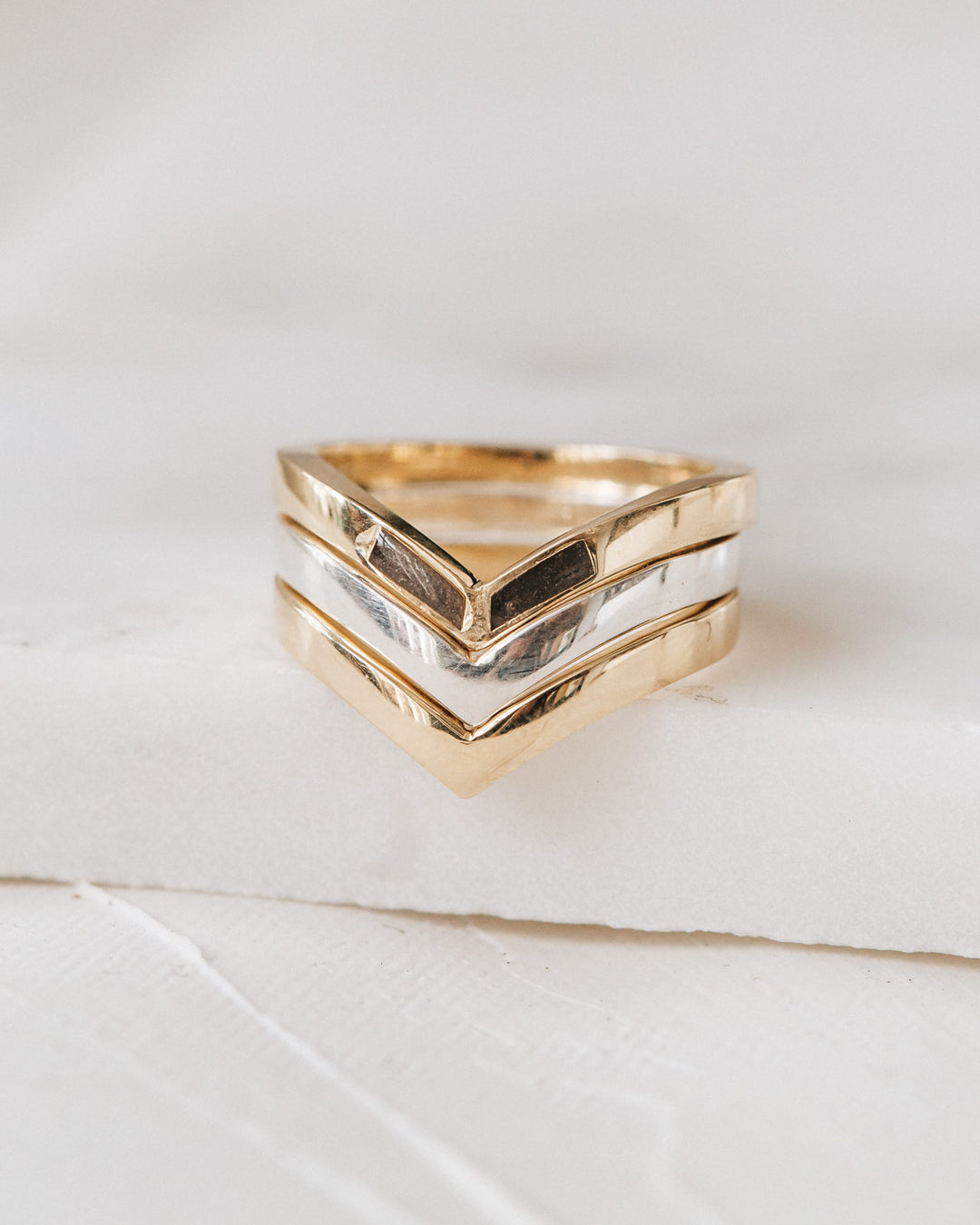
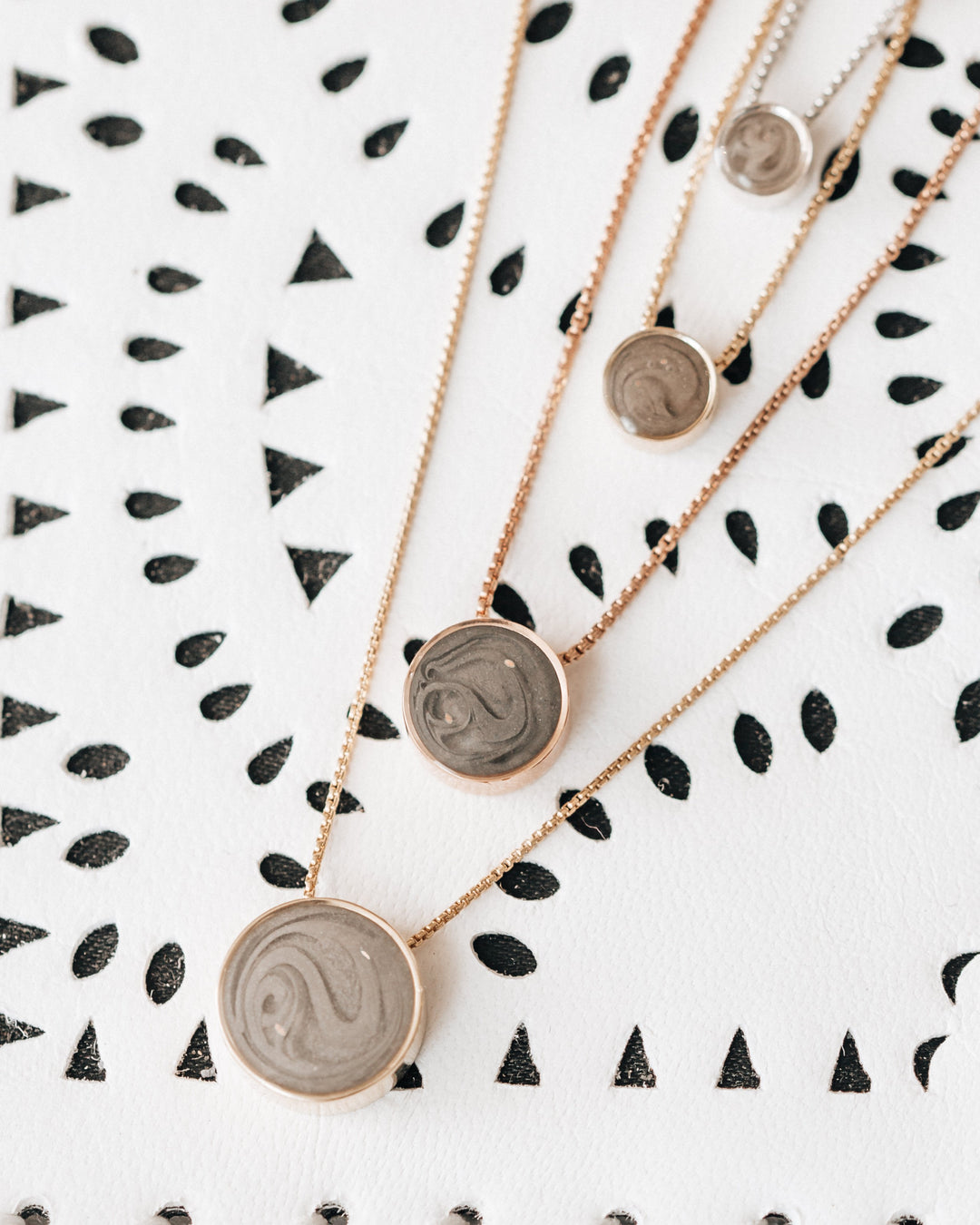
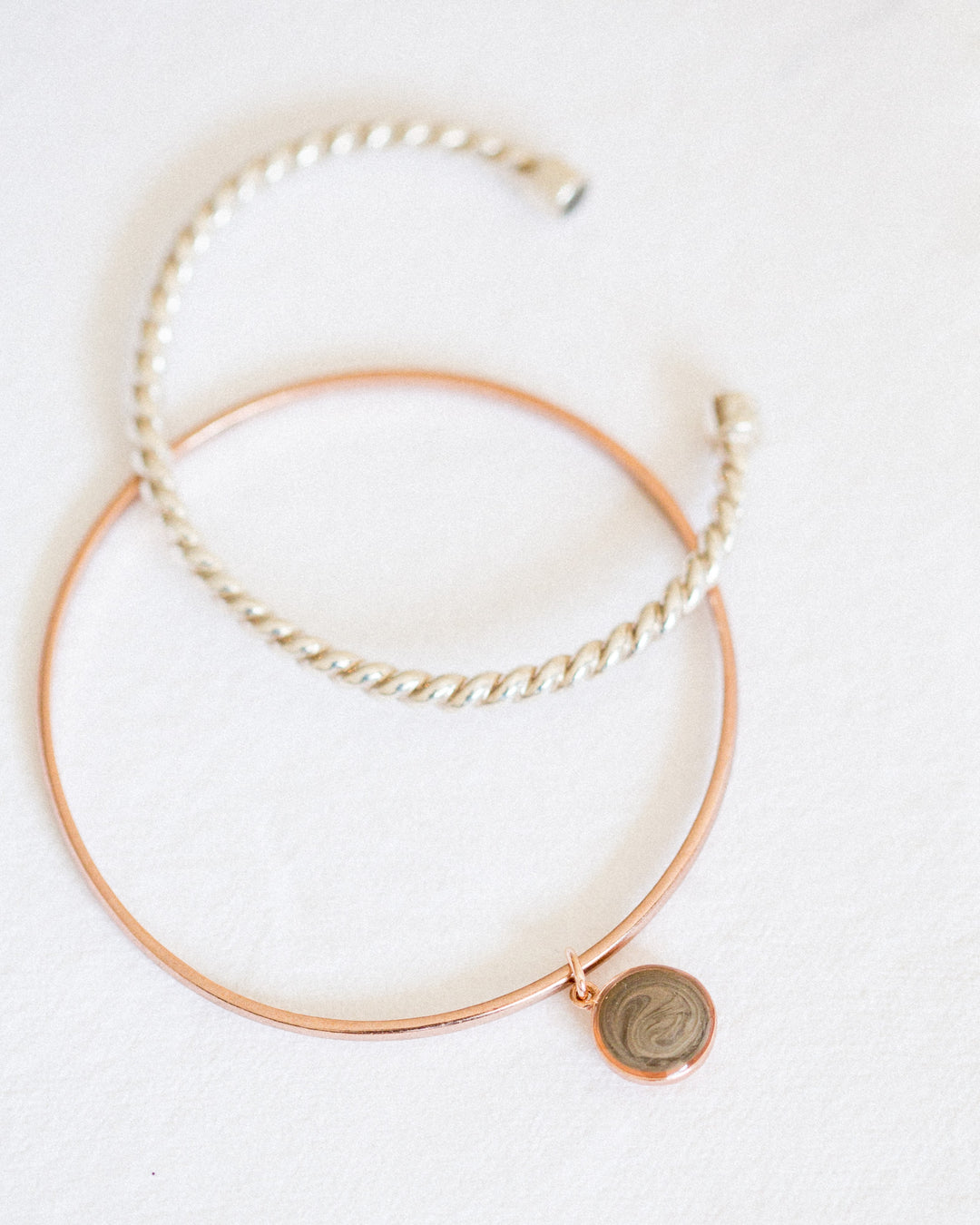
Ruby has long been treasured not only for its beauty, but for the deep emotional meaning it carries. Its vivid red color has made it a lasting symbol of love, strength, and enduring connection, qualities that translate naturally into meaningful, commemorative jewelry.
In modern jewelry design, ruby is often chosen for pieces that mark significant milestones or emotional moments. It is especially popular in rings, necklaces, and heirloom-style designs meant to represent lasting bonds. Its durability (ranking 9 on the Mohs scale) also makes ruby especially well-suited for everyday wear pieces, allowing its meaning to be carried close over time without compromising longevity. This combination of emotional symbolism and physical strength is part of what makes ruby such a powerful choice for meaningful, lasting jewelry.
Because ruby is the traditional birthstone for July, it also serves as a deeply personal gemstone for those born in midsummer. When incorporated into custom or symbolic jewelry, it becomes more than a decorative stone—it becomes a personal marker of identity, memory, or connection.
Conclusion
For thousands of years, ruby has been treasured not only for its remarkable beauty, but also for the stories, traditions, and symbolism it has inspired across cultures. Its vivid red color, exceptional durability, and enduring associations with love, courage, and strength have helped secure its place as one of the world's most celebrated gemstones.
Whether you're drawn to ruby as the July birthstone, as a symbol of a cherished relationship, or as a meaningful way to honor the memory of someone you love, understanding its history and unique characteristics can make wearing it even more personal. With its rich symbolism, remarkable durability, and timeless beauty, ruby serves as a lasting reminder of the love, strength, and connections that continue to endure.
Sources:
This birthstone guide was researched using trusted gemological, historical, and educational references, including:
- American Gem Society (AGS)
- CNN
- Gemological Institute of America (GIA)
- GRS Laboratories
-
International Gem Society (IGS)
- Selected historical and cultural sources
Including classical writings and widely documented folklore referenced through reputable gemological summaries.