
April Birthstone: Diamond
Diamonds are among the most celebrated and enduring of gemstones, prized for their unmatched hardness, timeless beauty, and cultural significance. From the ancient Greek word adamas, meaning “invincible", to their role in modern jewelry and meaningful gestures, diamonds have long symbolized strength, love, and devotion.
Available in a variety of colors, cuts, and sizes, diamonds continue to captivate collectors and jewelry lovers alike. For those born in April, this remarkable stone serves as a personal symbol of resilience and clarity. In this guide, we explore diamonds — from their formation deep within the Earth to their history, properties, and enduring significance across the centuries.
What is Diamond?
The word diamond traces back to the ancient Greek term adamas, meaning “unbreakable” or “invincible". Diamond is a form of the element carbon, arranged in a highly ordered crystal structure that gives it exceptional physical properties including hardness, thermal conductivity, sound velocity, and more. Unlike most gemstones, which form in the Earth’s crust, diamonds originate much deeper within the Earth’s mantle. Most natural diamonds formed between 1 and 3.5 billion years ago at depths of about 150 to 250 kilometers beneath the surface. Rather than forming from solid carbon alone, diamonds crystallize from carbon-rich fluids under extreme heat and pressure. Over time, powerful volcanic eruptions carried them to the surface.
Natural vs. Lab-Grown Diamonds
Diamonds can be natural, formed deep within the Earth over billions of years, or lab-grown, created in controlled environments using advanced methods such as high-pressure, high-temperature (HPHT) synthesis or chemical vapor deposition (CVD). Lab-grown diamonds share the same chemical composition, crystal structure, and optical properties as natural diamonds, making them virtually indistinguishable to the naked eye. Specialized testing is required to tell them apart.
Lab-grown diamonds offer several advantages that make them an excellent choice for jewelry:
-
Sustainability: Created in laboratories, these diamonds have a significantly smaller environmental footprint than mined diamonds, with fewer ecological disruptions.
-
Ethical sourcing: Lab-grown diamonds are guaranteed conflict-free, giving buyers peace of mind about the origin of their gemstone.
-
Affordability: Because production is more controlled and scalable, lab-grown diamonds are generally more accessible than natural diamonds of comparable size and quality.
- Precision and consistency: Lab-grown diamonds can be produced in a range of colors, shapes, and sizes, allowing for more predictable results in jewelry design.
Choosing a lab-grown diamond offers the ability to enjoy the same brilliance, durability, and symbolic meaning of a natural diamond while supporting environmentally conscious and ethical practices. For many, this combination of beauty, quality, and responsibility makes lab-grown diamonds an ideal choice for meaningful jewelry pieces.
Key Physical Properties of Diamonds
Mohs Hardness: 10 (maximum)
Diamonds are the hardest naturally occurring material on Earth, earning a 10 on the Mohs scale of mineral hardness. This exceptional hardness means diamonds can only be cut or scratched by other diamonds, making them ideal for both jewelry and industrial applications.
Refractive Index (RI): 2.42
Diamonds have a high refractive index of 2.42, which causes light to bend sharply as it passes through the stone. Combined with their precise crystal structure, this property gives diamonds their signature sparkle and brilliance, often described as “fire".
Luster: “Adamantine”
Diamonds exhibit an adamantine luster, which is the highest, most brilliant, and reflective type of non-metallic luster, characterized by a mirror-like sheen. This luster remains vivid even in smaller stones, contributing to the gemstone’s desirability.
Understanding Diamond Color
In its purest form, a diamond is entirely colorless, but trace elements or subtle variations within its structure during formation can lead to a vast array of hues. For example, the presence of nitrogen can produce yellow or orange tones, while boron is responsible for the rare and highly prized blue diamonds. In other cases, natural radiation or distortions in the crystal lattice can create shades of green, pink, or red.
How Diamond Color is Graded
To help people understand and compare diamond color consistently, the Gemological Institute of America developed a standardized grading scale that is now used worldwide. Color grading focuses on the absence of color in a diamond: the less color visible, the higher its grade and, typically, its value.
For most diamonds used in jewelry, the GIA uses a D‑to‑Z color scale:
D–F (Colorless): Diamonds with virtually no detectable color.
G–J (Near Colorless): Slight traces of color that are difficult to see to the untrained eye.
K–M (Faint): Noticeable color tint.
N–R (Very Light) & S–Z (Light): Increasingly visible yellow or brown tones.
Each letter grade represents a precise range of color as determined under controlled lighting and compared against master stones of known grades. This system ensures everyone uses the same language when talking about a diamond’s color quality.
Diamonds with distinct hues outside the D–Z range fall into the realm of fancy color diamonds, where intensity and saturation, rather than the absence of color, determine rarity and value.
Fancy Color Diamonds
While colorless diamonds are traditionally prized for their purity, colored diamonds (often referred to as “fancy color” diamonds) are highly sought after. Some of the most famous and valuable diamonds in the world are richly colored:
-
The Hope Diamond
Perhaps the most famous (or infamous) diamond in the world, the Hope Diamond is a 45.52-carat deep blue gemstone with a history dating back to 17th-century India. Beyond its striking color, it is best known for its enduring legend as a “cursed” diamond. It is now housed at the Smithsonian Institution, where it remains one of the most visited and studied gemstones in the world.
-
The Dresden Green Diamond
Weighing approximately 41 carats, the Dresden Green Diamond is exceptionally rare — not only for its size, but for its vivid, evenly distributed green color. It was purchased in 1741 by European royalty and has remained part of Dresden’s royal treasury ever since. It is now housed in the Green Vault museum in Dresden, Germany, where it has been preserved and displayed for centuries as a symbol of royal wealth and cultural heritage.
-
The Pink Star Diamond
The Pink Star is the largest known Fancy Vivid Pink diamond, weighing 59.60 carats. Originally discovered as a 132.5-carat rough stone in 1999, it was meticulously cut over nearly two years to preserve its extraordinary color. In 2017, it sold at auction for $71.2 million, setting a world record and becoming the most valuable diamond ever sold at auction.
Fancy-colored diamonds are prized not only for their beauty but for their rarity, historical significance, and unique character. Collectors and jewelry enthusiasts alike continue to seek out these remarkable gems, making them enduring symbols of luxury, prestige, and artistic craftsmanship.
Diamonds Through History and Legend
Ancient texts frequently reference diamonds. Pliny the Elder wrote that “Diamond is the most valuable, not only of precious stones, but of all things in this world" while Plato believed that diamonds were living, encapsulated spirits. In the second century, one anonymous poet claimed that diamonds could ward off the evil eye — a curse said to afflict innocents with sickness or even death. By the late Middle Ages, people believed that this precious stone could protect against the plague or act as an antidote to poison. Whether these beliefs held true through magic, superstition, or social status, diamonds have long been associated with physical strength, protection, and vitality.
Diamonds were most famously mined in India, where our modern admiration for the stone originated. Found along the banks of rivers and streams, diamonds may have been collected in India as early as 6,000 years ago. Always a symbol of wealth and power, these stones were accessible only to the elite. Because of this exclusivity, diamonds eventually made their way to Europe in the 1400s, where they steadily grew in popularity. When supplies in India began to decline in the 1700s, Brazil emerged as the world’s leading diamond producer for over 150 years. Later, South Africa assumed this role, establishing the foundation for the modern diamond market as we know it today.
Throughout history, diamonds have also been featured in crown jewels and royal regalia, underscoring their association with status and wealth. The first known monarch to adorn a crown with diamonds was a Hungarian queen, setting a precedent that would be followed by royal families across Europe and beyond, securing the diamond as a true symbol of power.
From Engagements to Industry: Diamonds in Modern Times
The first recorded diamond engagement ring was gifted by Archduke Maximilian of Austria to Mary of Burgundy in 1477, symbolizing undying devotion. The diamond’s unmatched hardness and enduring beauty perfectly reinforce this symbolism. In keeping with the Archduke’s trendsetting gesture, these very properties have made diamonds the most sought-after choice for engagement rings to this day. What better way to represent an everlasting, unbreakable bond than with an invincible diamond? These associations also extend to the milestone celebrations of 60th and 75th wedding anniversaries, where diamonds continue to symbolize the enduring strength of love.
Beyond jewelry, diamonds are valued for their durability and versatility in tools. The Vickers hardness test — historically used to measure the hardness of other gemstones, but no longer used due to its potential to damage precious stones — relied on a diamond-tipped instrument known as a “pyramid” to press down on stones. Today, diamonds remain essential in cutting and engraving applications, including glass, metal, and even other diamonds, allowing surfaces to be etched, shaped, and customized with precision.
Diamond Symbolism & Meaning
Diamonds are admired not only for their beauty but for the rich meanings they carry. Their enduring brilliance and unparalleled hardness have made them symbols of strength, love, and legacy across cultures and centuries.
Strength & Resilience
- Represent invincibility and durability, both physically and emotionally.
- Historically believed to offer protection, courage, and clarity of mind.
- A reminder of perseverance, longevity, and inner fortitude.
Love & Commitment
- The universal choice for engagement and wedding rings.
- Celebrate milestone anniversaries, especially the 60th and 75th.
- Evoke clarity, purity, and loyalty in romantic and spiritual contexts.
Wealth, Power & Legacy
- Long associated with social status, from ancient Indian royalty to European crown jewels.
- Symbolize prestige, influence, and abundance.
- Continue to inspire jewelry designs, commemorative gifts, and memorial pieces.
Birthstone Significance
- April-born individuals claim the diamond as a personal talisman.
- Embodies resilience, clarity, and enduring beauty.
- Can be combined with other stones for personalized meaning and symbolism.
Diamonds in Meaningful Jewelry
Diamonds have long been chosen for life’s most meaningful moments, making them a timeless addition to jewelry that honors love, memory, and connection. Their durability and brilliance ensure that each piece can be worn, cherished, and passed down for generations — carrying both beauty and significance with it.
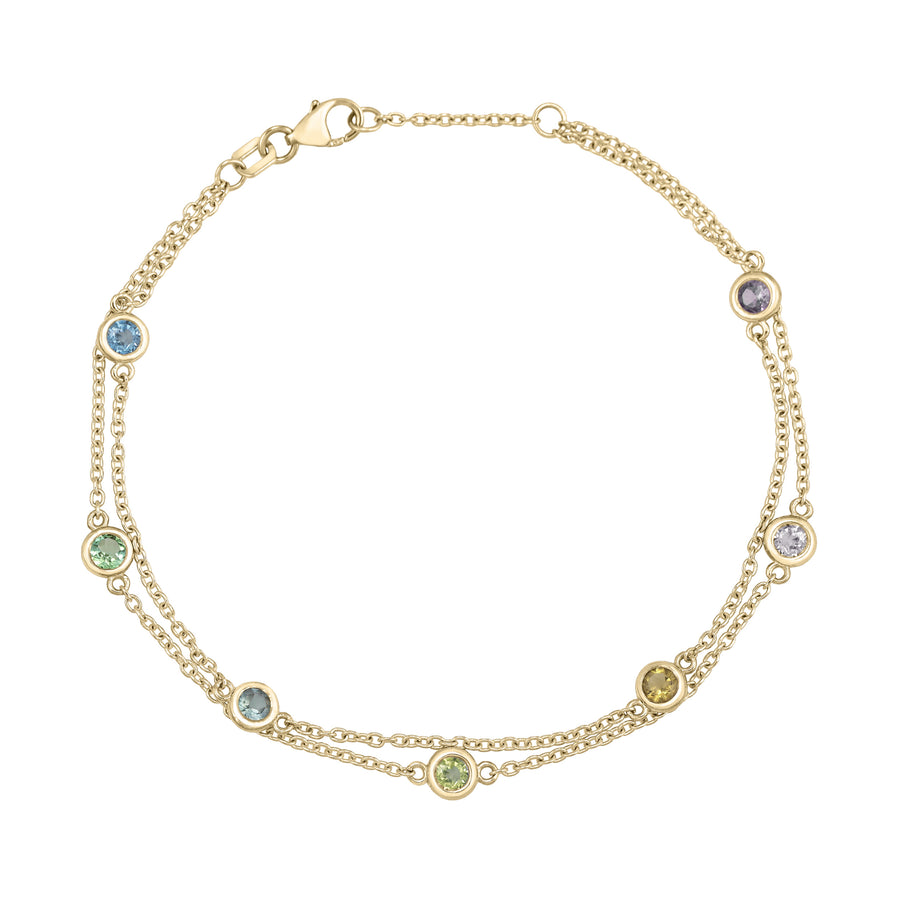
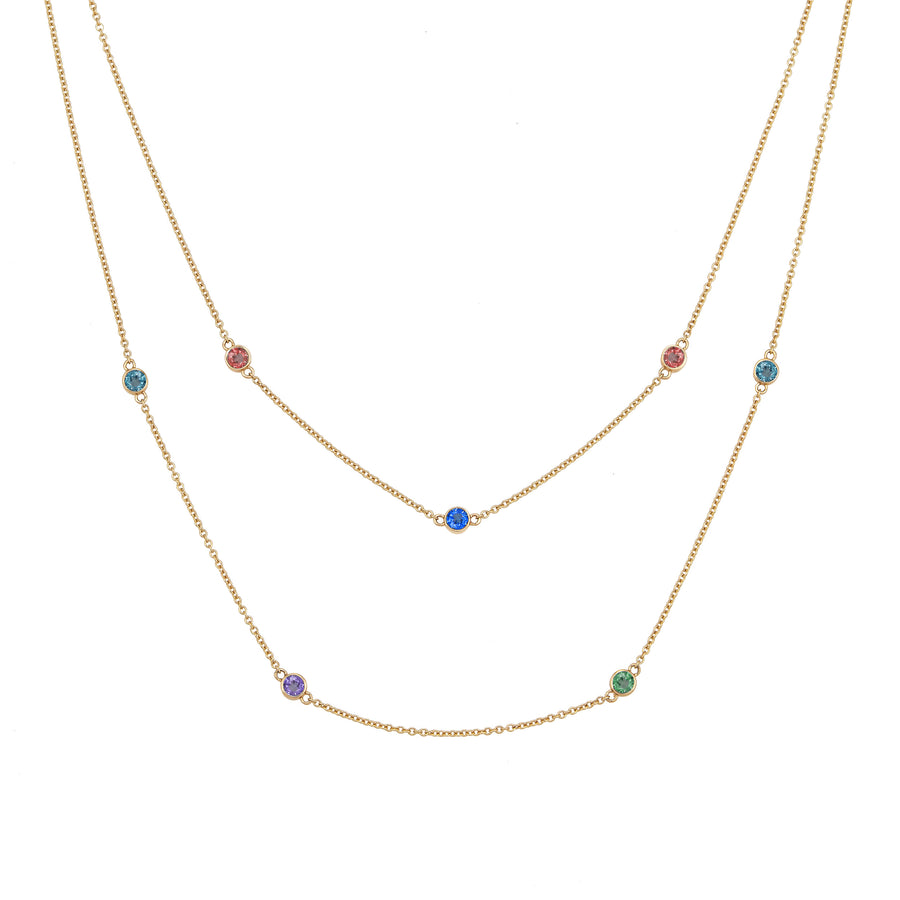
Birthstone jewelry for April birthdays: As the birthstone for April, diamonds make a thoughtful and personal gift. Whether set in a delicate ring or statement necklace, diamond birthstone jewelry symbolizes strength, clarity, and enduring love.
Engagement rings: Diamonds remain the most popular choice for engagement rings, representing commitment, resilience, and an unbreakable bond. Their timeless appeal makes them a meaningful symbol of a lifelong partnership.
Anniversary gifts (60th & 75th milestones): Traditionally associated with the 60th and 75th wedding anniversaries, diamonds reflect lasting devotion and the strength of a relationship that has stood the test of time.
Personalized or custom pieces: Diamond jewelry can be thoughtfully customized into pendants, rings, or keepsakes that reflect personal stories and connections. From engraved details to unique settings, these pieces become deeply meaningful expressions of love and remembrance.
Family heirlooms and generational jewelry: Because of their exceptional durability, diamonds are often passed down through generations. These heirloom pieces carry not only their physical beauty, but also the memories, stories, and legacy of those who wore them before.
How to Clean & Care for Diamond Jewelry
While diamonds are incredibly durable and resistant to damage, they naturally attract oils from your skin and everyday surfaces. Over time, this buildup can dull their brilliance and obscure their signature sparkle. With regular care, your diamond jewelry can maintain its beauty for years to come:
Soak your diamond jewelry in a solution of warm water and a couple drops of mild dish soap.
In most cases, 5 minutes is sufficient. For pieces with heavier buildup, soaking can be extended up to 30 minutes.
Use a clean, soft-bristled toothbrush to gently scrub away remaining dirt and buildup.
It’s best to reserve this toothbrush exclusively for cleaning your jewelry.
Rinse thoroughly under warm running water.
Be sure to close or cover the drain to prevent accidental loss!
Dry gently with a soft cloth.
Minimize touching the stone to help prevent oils from dulling its restored brilliance. Avoid using paper towels or tissues as these can actually scratch the metal.
Conclusion
Whether seeking a meaningful piece to commemorate an anniversary or birthday, or to present to your beloved as a sign of enduring affection, the diamond has been secured as a lasting symbol of longevity, status, and strength under pressure. Since ancient times, these associations have only deepened as the diamond endures. With its hardness and luster setting the benchmark for other stones, few can match the brilliance, allure, or resilience of this remarkable gemstone.
Sources:
This birthstone guide was researched using trusted gemological, historical, and educational references, including:
-
American Gem Society
https://www.americangemsociety.org/buying-diamonds-with-confidence/history-of-the-diamond-as-the-april-birthstone/
https://www.americangemsociety.org/diamond-folklore/
-
Capetown Diamond Museum
https://www.capetowndiamondmuseum.org/education/diamond-history-and-symbolism/
-
Gemological Institute of America
https://www.gia.edu/birthstones/april-birthstones
https://www.gia.edu/gems-gemology/winter-2018-how-do-diamonds-form-in-the-deep-earth
https://www.gia.edu/gia-news-research-worlds-fascination-fancy-colored-diamonds
https://www.gia.edu/gia-about/4cs-color
https://www.gia.edu/gia-news-research-secrets-keep-diamond-sparkling
-
International Gemological Institute
https://www.igi.org/21-fun-facts-what-causes-diamond-color/
-
Natural Diamonds
https://www.naturaldiamonds.com/historic-diamonds/diamond-color-famous/
- Selected historical and cultural sources
Including classical writings and widely documented folklore referenced through reputable gemological summaries.